
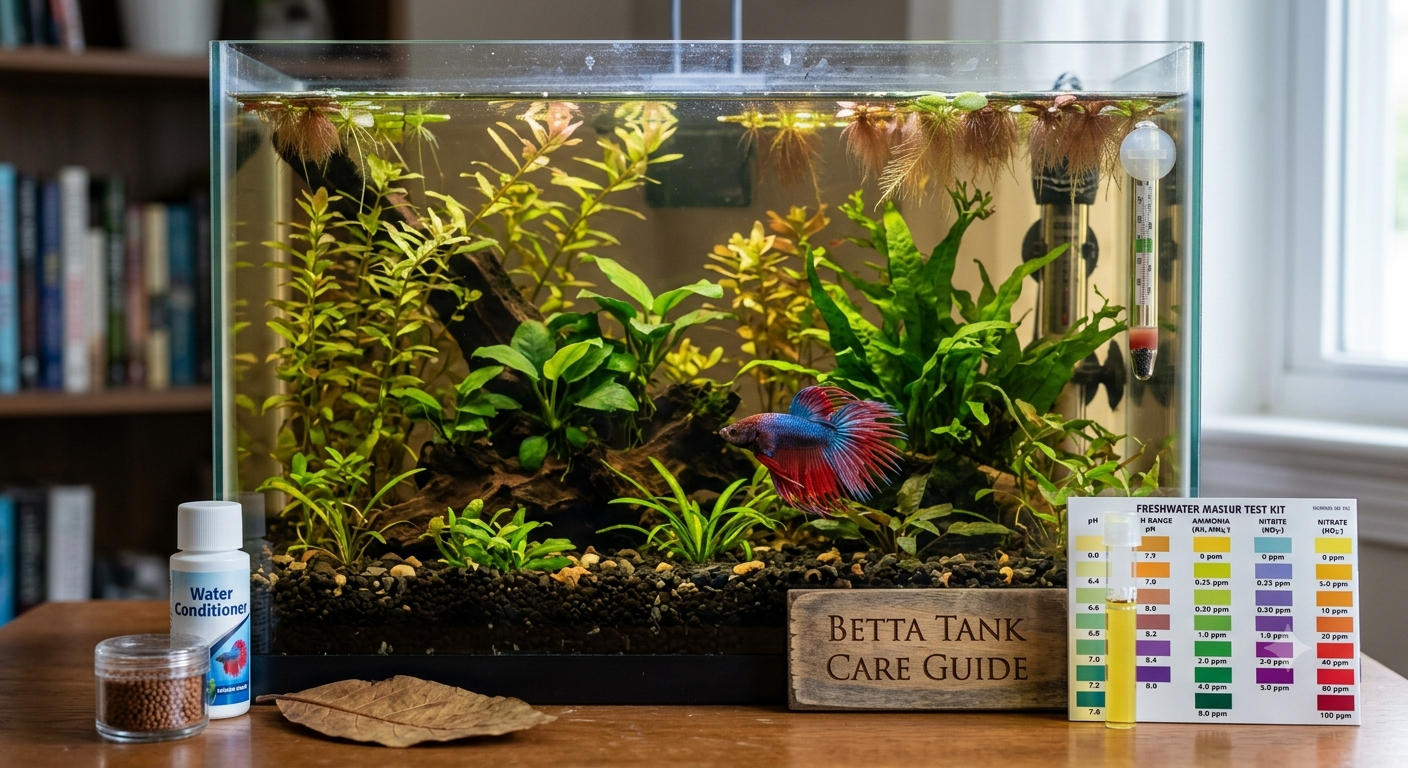
Can Betta Fish Live Without a Filter? (Complete Care Guide)
Betta fish are among the most popular freshwater aquarium fish in the world.
Their vibrant colours, flowing fins, and unique personalities make them a favourite for both beginners and experienced fish keepers. Unlike many aquarium fish, bettas can survive in conditions that would quickly stress or even kill other species. Because of this reputation, many people believe they do not need a filter at all.
Walk into almost any pet store and you’ll often see bettas displayed in small cups or tiny containers. It’s easy to assume that if they can live in those conditions, they must be perfectly happy in a small bowl without a filter.
Unfortunately, this is one of the biggest misconceptions in fish keeping.
While betta fish are remarkably hardy, surviving and thriving are two very different things.
A betta’s ability to survive without a filter does not mean that a filter is unnecessary. In fact, a properly filtered aquarium can significantly improve your betta’s health, reduce stress, and make maintaining the tank much easier.
So, can betta fish live without a filter?
The honest answer is yes, they can—but that doesn’t mean they should.
Whether a filter is necessary depends on several factors, including the size of the aquarium, how often water changes are performed, whether the tank contains live plants, and the experience of the person caring for the fish.
In this guide, you’ll learn why bettas can survive without filters, when a filter is strongly recommended, and how to create the healthiest possible environment for your fish.
The Short Answer
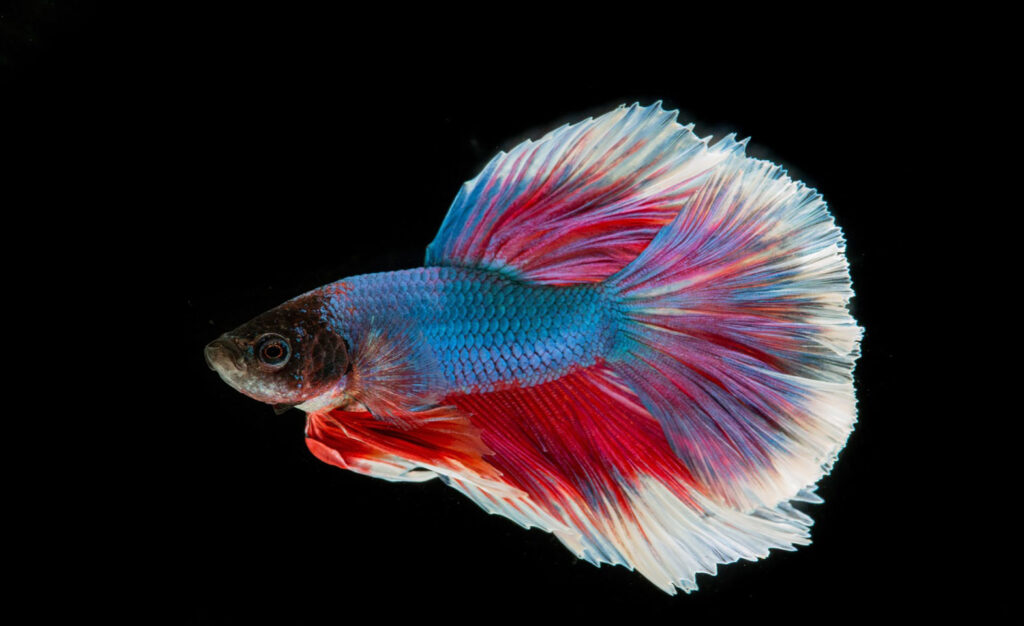
Yes, betta fish can live without a filter, but most bettas will live healthier and longer lives in a properly filtered aquarium.
A filter helps:
- Maintain stable water quality
- Support beneficial bacteria
- Remove waste particles
- Reduce ammonia buildup
- Improve oxygen circulation
- Lower maintenance requirements
Although bettas can breathe atmospheric air using their labyrinth organ, they are still affected by poor water quality.
For most home aquariums, using a gentle filter is the best option.
Why People Think Bettas Don’t Need Filters
There are several reasons this belief has become so common.
The first reason is how bettas are sold.
In many aquarium stores, bettas are displayed in small cups with no visible filtration.
These containers are designed only for short-term housing before the fish is sold. They are not intended to be permanent homes.
Unfortunately, many beginners assume:
“If the pet store keeps them like this, it must be okay.”
The second reason comes from where bettas originate.
Wild bettas are native to parts of Thailand, Cambodia, Laos, and neighbouring countries, where they are often found in shallow waters such as:
- Rice paddies
- Slow-moving streams
- Flooded fields
- Marshes
- Small ponds
People often hear this information and imagine bettas living in muddy puddles with almost no water.
The reality is very different.
Even though these habitats may appear small, they are part of much larger natural ecosystems.
Water is constantly being refreshed through rainfall, groundwater, seasonal flooding, and natural biological processes.
A small glass aquarium is a closed system where waste cannot simply disappear.
The Labyrinth Organ Explained
The biggest reason bettas survive in low-oxygen environments is a special organ called the labyrinth organ.
Unlike most aquarium fish, bettas are able to breathe atmospheric oxygen by swimming to the surface and taking small gulps of air.
This adaptation allows them to survive in environments where dissolved oxygen levels are lower than normal.
It is an incredible evolutionary advantage.
However, this ability is often misunderstood.
The labyrinth organ protects bettas from low oxygen, but it does not protect them from:
- Ammonia
- Nitrite
- Dirty water
- Temperature fluctuations
- Poor nutrition
- Disease
Think of it this way.
A person can survive breathing smoky air for a while.
That doesn’t mean living in smoke is healthy.
Likewise, a betta’s ability to breathe air helps it survive challenging environments, but it doesn’t remove the need for clean water.
What Does a Filter Actually Do for a Betta?
Many people think a filter simply keeps the water looking clear.
In reality, filtration is one of the most important pieces of equipment in any aquarium.
A filter performs three essential jobs.
Mechanical Filtration
The first job is removing visible debris.
This includes:
- Uneaten food
- Plant leaves
- Fish waste
- Floating particles
Without filtration, these materials remain in the aquarium longer, gradually breaking down and affecting water quality.
Biological Filtration
This is the most important function.
Beneficial bacteria colonise the filter media.
These bacteria convert harmful ammonia into nitrite and then into the much safer nitrate through the nitrogen cycle.
Without these bacteria, toxic waste would quickly accumulate.
For bettas, biological filtration helps maintain a stable environment where the fish experiences less stress.
Water Circulation
A filter also keeps water moving.
This movement:
- Distributes heat evenly
- Prevents stagnant areas
- Improves oxygen exchange
- Keeps water chemistry consistent throughout the tank
Although bettas prefer gentle currents, they still benefit from mild water movement. The goal is not strong flow. The goal is stable conditions.
Can Betta Fish Survive Without a Filter?
Yes.
A healthy betta can survive in an unfiltered aquarium if the owner provides exceptional maintenance.
However, there is a big difference between survival and ideal care.
In a filterless aquarium, the fish keeper becomes responsible for replacing the work normally done by the filter.
This means:
- Frequent partial water changes
- Careful feeding
- Monitoring ammonia levels
- Watching fish behaviour closely
Experienced aquarists sometimes maintain successful filterless aquariums.
They achieve this through careful planning, live plants, low stocking levels, and consistent maintenance.
For beginners, however, a filter provides an extra margin of safety.
It helps keep the environment more forgiving when small mistakes happen.
Can Betta Fish Live in a Bowl Without a Filter?
This question is one of the most searched topics about betta fish.
Technically, yes.
A betta can survive in a bowl without a filter.
However, bowls create many of the same problems discussed in our guide on fish bowls.
Because bowls usually contain very little water:
- Ammonia builds up faster.
- Temperature changes more quickly.
- Water becomes unstable.
- Oxygen exchange is reduced.
- Maintenance becomes much more demanding.
A bowl may keep a betta alive for some time, but it rarely provides the stable environment needed for long-term health.
For that reason, most experienced fish keepers recommend a properly filtered aquarium instead.
Why Water Quality Matters More Than Oxygen
One of the biggest myths surrounding bettas is that oxygen is their only concern.
Since they can breathe atmospheric air, many people assume they don’t need clean water.
In reality, poor water quality is often a much bigger threat than low oxygen.
Ammonia damages delicate gill tissue, weakens the immune system, and causes chronic stress.
Even though a betta can breathe air from the surface, it still spends its entire life swimming in the surrounding water.
If that water becomes polluted, the fish suffers regardless of how much air it can breathe.
This is why maintaining excellent water quality should always be the highest priority in betta care.
Do Betta Fish Need a Filter?
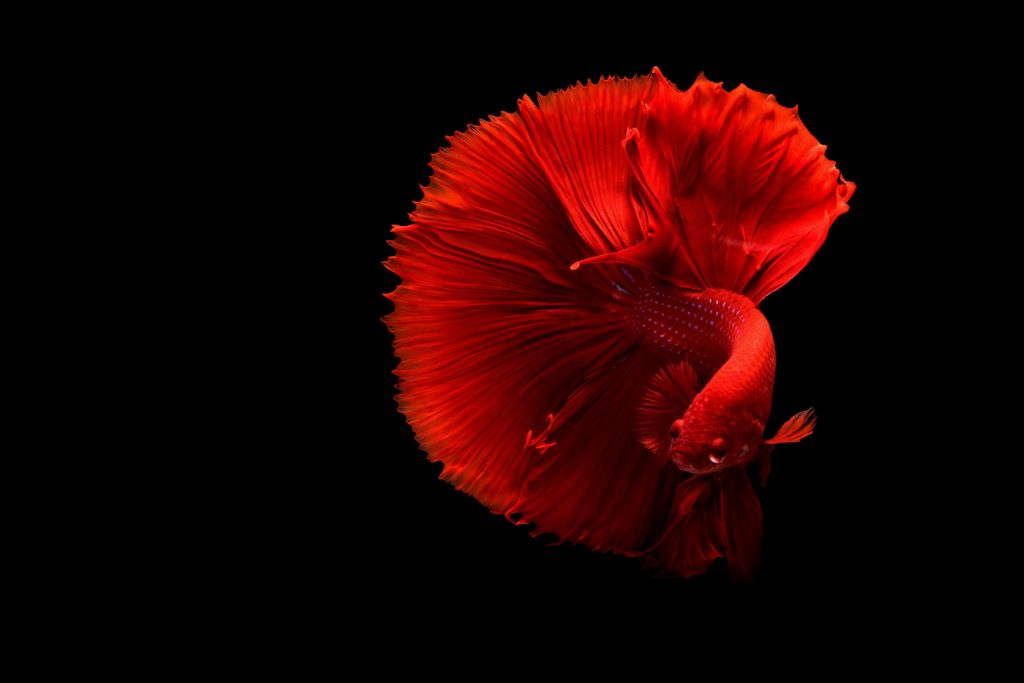
Although betta fish can survive without a filter, most aquarists agree that a filter is one of the best investments you can make for your fish’s long-term health. A properly chosen filter keeps the water cleaner, supports beneficial bacteria, and creates a more stable environment. Instead of spending time worrying about ammonia spikes or frequent water changes, you can enjoy watching your betta display its natural behaviours.
One reason some people hesitate to use filters is that they’ve heard bettas dislike water movement. This is true to an extent. Bettas are not strong swimmers, and powerful currents can make them struggle. However, this doesn’t mean all filters are unsuitable. The solution is choosing a filter that produces a gentle flow rather than avoiding filtration altogether.
Think of a filter as a support system rather than a piece of cleaning equipment. Its main purpose is to create a healthier ecosystem where your betta can thrive with less stress.
Why Stable Water Quality Is More Important Than Crystal-Clear Water
Many beginners judge the health of their aquarium by looking at the water. If it appears clear, they assume everything is fine.
Unfortunately, clear water does not always mean healthy water.
Some of the most dangerous substances in an aquarium are completely invisible. Ammonia, nitrite, and dissolved waste cannot be seen with the naked eye. A small bowl or unfiltered tank may look spotless while harmful toxins slowly build up.
This is where a filter makes a significant difference. Instead of waiting until water quality declines, the filter continuously supports the biological processes that prevent toxins from reaching dangerous levels.
For a betta fish, stable water conditions are far more important than perfectly polished water. Healthy fish experience less stress, develop stronger immune systems, and are less likely to suffer from common illnesses such as fin rot or bacterial infections.
How Often Should You Change the Water Without a Filter?
One of the biggest disadvantages of keeping a betta in an unfiltered aquarium is the amount of maintenance required.
Without biological filtration, waste remains in the aquarium until it is physically removed. This means the fish keeper must perform regular partial water changes to prevent ammonia from reaching harmful levels.
The exact schedule depends on several factors, including:
- Tank size
- Amount of food given
- Presence of live plants
- Water temperature
- Overall cleanliness
For example, a lightly stocked 10-gallon aquarium without a filter may only require one or two partial water changes each week if it is carefully maintained.
A one-gallon bowl, however, may require attention every few days simply because such a small volume of water becomes unstable much more quickly.
Rather than following a fixed timetable, experienced aquarists monitor water quality and adjust maintenance based on the aquarium’s actual conditions. Using a liquid water test kit is one of the best ways to understand what is happening inside your tank instead of relying on appearance alone.
Can Live Plants Replace a Filter?
This is an excellent question because many experienced hobbyists successfully keep planted aquariums without traditional filtration.
Live plants naturally absorb nutrients from the water, including some compounds produced by fish waste. Fast-growing species such as hornwort, water sprite, anacharis, and floating plants can help reduce nitrate levels while improving the overall appearance of the aquarium.
However, plants are not magic filters.
Although they contribute to a healthier ecosystem, they do not instantly remove ammonia, nor do they replace the beneficial bacteria normally housed inside filter media. A heavily planted aquarium can certainly improve water quality, but it still requires careful planning, regular maintenance, and an understanding of the nitrogen cycle.
For beginners, combining live plants with a gentle filter is usually the easiest and most reliable approach. You receive the benefits of both natural filtration and mechanical filtration, creating a much more forgiving environment if small mistakes occur.
What Happens If a Betta Lives Too Long Without Proper Filtration?
A betta living in poor water conditions may not show obvious signs immediately.
Unlike sudden illnesses, poor water quality often causes slow, long-term stress. This makes it difficult for beginners to recognise the problem because the fish appears to survive for weeks or even months.
Over time, however, chronic exposure to ammonia and unstable water conditions can lead to a variety of health problems.
These may include:
- Torn or damaged fins
- Fin rot
- Loss of colour
- Reduced appetite
- Lethargy
- Increased susceptibility to disease
- Shortened lifespan
Many people assume these problems are simply part of owning a betta, when in reality they are often symptoms of an unsuitable environment.
Providing clean, stable water is one of the most effective ways to prevent these issues before they begin.
Choosing the Right Filter for a Betta Fish
Not every aquarium filter is suitable for bettas.
Because bettas naturally inhabit calm waters, they prefer gentle currents. A powerful filter designed for large community tanks can create a constant flow that pushes the fish around the aquarium, making it difficult for them to swim comfortably.
Fortunately, there are several filter types that work very well for betta aquariums.
Sponge Filters
Sponge filters are widely considered one of the best choices for bettas.
They provide excellent biological filtration while producing very gentle water movement. Because they are powered by an air pump, they are quiet, inexpensive, and safe for long-finned varieties.
Another advantage is that sponge filters cannot easily trap delicate fins, reducing the risk of injury.
For beginner betta keepers, a sponge filter is often the safest and simplest option.
Hang-on-Back (HOB) Filters
Hang-on-back filters are another popular choice.
They provide both mechanical and biological filtration while taking up very little space inside the aquarium.
The main consideration is water flow.
Some HOB filters produce strong currents that may stress bettas. Choosing a model with an adjustable flow rate or using a simple filter baffle can reduce the current to a more comfortable level.
Internal Filters
Internal filters sit inside the aquarium and are available in many sizes.
Some smaller models are specifically designed for nano aquariums and betta tanks.
As with any filter, the most important factor is selecting one that produces gentle circulation rather than excessive water movement.
Signs That Your Filter Current Is Too Strong
Many new betta owners worry that any water movement is harmful.
In reality, gentle circulation is beneficial. Problems arise only when the current becomes too powerful.
Your filter may be creating too much flow if your betta:
- Struggles to swim across the aquarium
- Gets pushed around by the current
- Constantly hides behind decorations
- Avoids open swimming areas
- Appears exhausted after swimming
If you notice these behaviours, you do not necessarily need a different filter.
In many cases, simply reducing the flow rate or redirecting the filter outlet solves the problem.
Some hobbyists also use aquarium plants, driftwood, or decorations to break up the current and create calmer resting areas.
Is a Filter Better Than Frequent Water Changes?
This question often comes from people trying to choose between using a filter or simply replacing the water more often.
The truth is that these two approaches work together rather than replacing one another.
A filter continuously supports biological filtration throughout the day, while water changes remove accumulated waste and replenish important minerals.
Even in a filtered aquarium, regular partial water changes remain essential.
Likewise, an unfiltered aquarium cannot rely solely on occasional water changes because toxins can accumulate between maintenance sessions.
The healthiest betta aquariums use both methods together: a gentle filter for continuous stability and regular water changes to maintain excellent water quality.
Common Mistakes Betta Owners Make With Filtration
Even when aquarium owners understand the importance of filtration, there are still several common mistakes that can affect a betta’s health. Fortunately, most of these problems are easy to avoid once you know what to look for.
Choosing a Filter That Is Too Powerful
One of the most common mistakes is installing a filter designed for larger community aquariums. While these filters provide excellent filtration, they often create strong water currents that are unsuitable for betta fish.
Unlike fast-swimming species such as danios or rainbowfish, bettas have long, flowing fins that create resistance in the water. Swimming against a constant current requires much more energy, which can leave the fish stressed and exhausted.
If your betta spends most of its time hiding behind decorations or resting near the bottom of the tank after swimming, the water flow may be stronger than it should be.
Whenever possible, choose a filter with an adjustable flow rate. If your filter cannot be adjusted, simple modifications such as adding a sponge over the outlet or redirecting the flow against the aquarium glass can significantly reduce the current.
Cleaning the Filter Too Thoroughly
Another mistake many beginners make is cleaning the filter until it looks brand new.
While this seems like good aquarium maintenance, it can actually damage the biological filtration that keeps the water safe.
The filter media contains millions of beneficial bacteria responsible for breaking down toxic ammonia and nitrite. Washing the filter under tap water or replacing all the filter media at once can destroy much of this bacterial colony.
Instead, rinse filter sponges or biological media gently in old aquarium water during a water change. This removes excess debris while preserving the bacteria that keep your aquarium healthy.
A filter does not need to look perfectly clean. It needs to remain biologically active.
Replacing Filter Cartridges Too Frequently
Many commercial filter manufacturers recommend replacing filter cartridges every month.
While replacing activated carbon may sometimes be necessary, replacing the entire cartridge too frequently removes a large portion of the beneficial bacteria living inside the filter.
Instead of following the packaging blindly, inspect the filter media.
If the sponge or biological media is still structurally intact, it usually only needs a gentle rinse rather than complete replacement.
Many experienced aquarists use reusable sponge media because it lasts for years and supports a stable bacterial colony.
Turning the Filter Off at Night
Some beginners believe the filter only needs to operate during the day.
In reality, the filter should run continuously.
Beneficial bacteria rely on a constant flow of oxygen-rich water. If the filter is switched off for long periods, oxygen levels inside the filter decrease, and parts of the bacterial colony may begin to die.
Repeatedly turning the filter on and off can reduce its effectiveness and create unnecessary instability.
Unless you are performing maintenance, your aquarium filter should remain running twenty-four hours a day.
Can Baby Betta Fish Live Without a Filter?
Young bettas are even more sensitive to poor water quality than adults.
As they grow, they require stable conditions to develop properly. Ammonia spikes and sudden changes in water chemistry can affect their growth and increase the risk of disease.
Many breeders use sponge filters in breeding tanks because they provide gentle filtration without creating currents that could harm tiny fry.
The soft sponge also prevents baby fish from being drawn into the filter intake.
If you plan to raise juvenile bettas, a gentle sponge filter is usually one of the safest choices available.
Filtered Tank vs Unfiltered Tank: Which Is Easier?
Many beginners assume that avoiding a filter will make fish keeping simpler.
Ironically, the opposite is usually true.
A properly filtered aquarium generally requires less work because the filter continuously supports biological filtration and helps maintain stable water conditions.
An unfiltered aquarium demands much closer attention. Water changes must be performed more frequently, feeding must be carefully controlled, and water quality needs to be monitored regularly.
To illustrate the difference, imagine caring for two identical betta tanks.
The first tank has a gentle sponge filter, live plants, and a regular weekly maintenance routine. Water quality remains stable, and the fish experiences relatively consistent conditions.
The second tank has no filter. Every small amount of uneaten food, fish waste, or dead plant material remains in the aquarium until it is manually removed. Even a slight increase in feeding can cause ammonia levels to rise much faster.
Neither approach is impossible, but one leaves far less room for error.
For beginners, a filtered aquarium is almost always the easier and more forgiving option.
Can a Betta Live Happily Without a Filter?
This is perhaps the most important question in this entire guide.
Yes, a betta can survive without a filter under the right conditions.
However, the goal of responsible fish keeping should never be to see how little equipment a fish can survive with.
Instead, we should ask:
“What gives my betta the best opportunity to live a long, healthy, and stress-free life?”
A filter is not simply a convenience for the owner.
It helps create an environment where the fish experiences:
- Cleaner water
- More stable water chemistry
- Reduced exposure to harmful toxins
- Lower stress levels
- Better overall health
When combined with regular water changes, appropriate feeding, and suitable tank conditions, filtration becomes one of the most valuable tools for maintaining a healthy aquarium.
Frequently Asked Questions
Can betta fish live without a filter?
Yes, betta fish can survive without a filter, but they require excellent maintenance and frequent water changes. For most aquariums, a gentle filter provides a healthier and more stable environment.
Do betta fish need a filter?
Although bettas have the ability to breathe atmospheric air, they still benefit greatly from filtration. A filter helps maintain water quality, supports beneficial bacteria, and reduces harmful ammonia buildup.
Can betta fish live in a bowl without a filter?
A betta may survive in a bowl without a filter for a period of time, but bowls are generally more difficult to maintain because of their small water volume and unstable conditions. A properly sized aquarium is usually a much better long-term choice.
What is the best filter for a betta fish?
Sponge filters are widely recommended because they provide gentle water movement while offering excellent biological filtration. Hang-on-back filters with adjustable flow rates are also suitable when the current is reduced.
Can a filter stress a betta fish?
Yes. If the water current is too strong, a betta may struggle to swim, hide more frequently, or appear exhausted. Choosing a filter with gentle flow or reducing the current usually solves the problem.
Do bettas need filtered water if they have live plants?
Live plants improve water quality, but they do not completely replace filtration. Combining healthy plant growth with gentle filtration provides the most stable environment for most home aquariums.
Final Verdict: Can Betta Fish Live Without a Filter?
So, can betta fish live without a filter?
Yes—but living without a filter is not the same as living well.
Betta fish have evolved a remarkable adaptation that allows them to breathe atmospheric air, enabling them to survive in environments where many other fish would struggle. However, this unique ability often leads people to believe that bettas do not require clean, stable water.
The reality is quite different.
While a betta can survive in an unfiltered aquarium under careful management, maintaining healthy water conditions becomes significantly more difficult. Without filtration, waste accumulates more quickly, ammonia can reach dangerous levels, and the aquarium requires much more frequent maintenance.
A gentle filter helps solve many of these problems by supporting beneficial bacteria, improving water circulation, and keeping the aquarium biologically stable. When combined with regular partial water changes, appropriate feeding, and a suitable tank size, filtration gives your betta the best chance of living a long, active, and healthy life.
If you are new to fish keeping, investing in a properly sized aquarium with a gentle filter is one of the best decisions you can make. It not only benefits your betta but also makes aquarium maintenance easier and far more enjoyable.
Remember, successful fish keeping is not about doing the bare minimum required for survival. It is about creating an environment where your fish can truly thrive.
)